


Choose the Right Portable Power Station for Your Home
A portable power station represents a significant upgrade from simple battery packs. These devices house a powerful battery, an inverter to convert DC power to usable AC, and a variety of output ports. They operate silently, produce zero emissions, and require minimal maintenance compared to their gas-guzzling counterparts. Imagine keeping your refrigerator running, charging your phones, and powering essential lights without the roar of an engine outside your window.
Understanding the Shift to Battery Backup
For years, homeowners relied on gas generators as their primary source of backup power. While effective, they present drawbacks like fuel dependency, loud operation, and the risk of carbon monoxide poisoning if not used correctly. Modern portable power stations address these concerns directly. 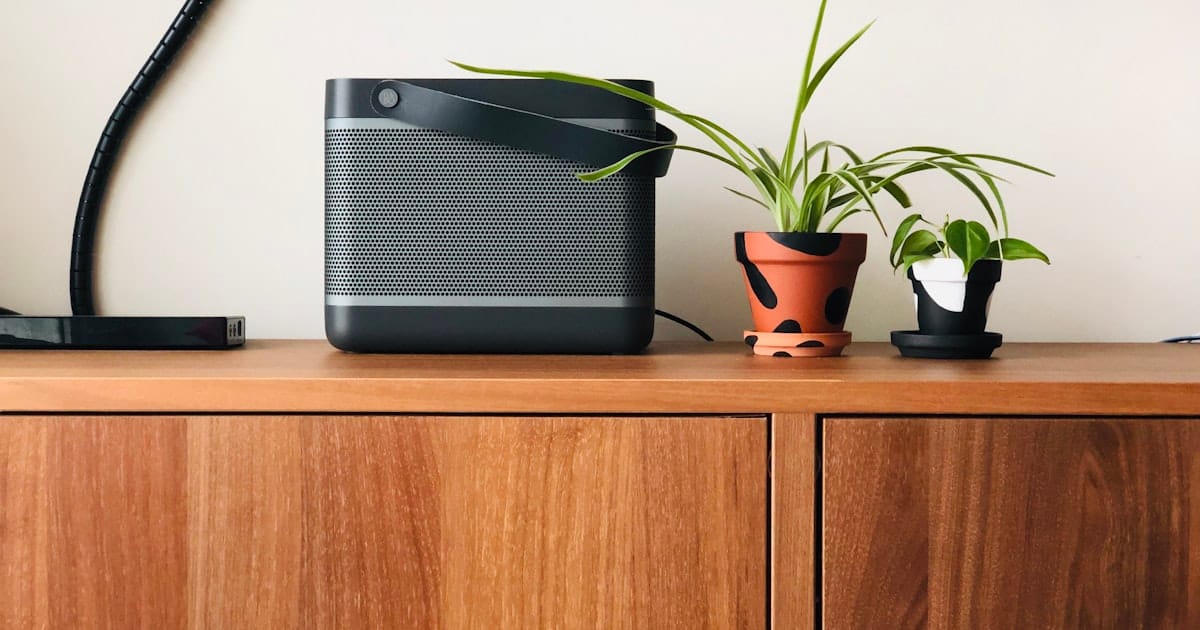
Why Your Home Needs a Portable Power Station
Considering the increasing frequency and duration of power outages due to extreme weather, aging infrastructure, or unexpected events, having a dependable backup power source is no longer a luxury—it’s a necessity. A portable power station ensures your family stays comfortable, connected, and safe. It keeps critical appliances running, preserves food, maintains communication, and even powers medical devices when every second counts. This device stands ready as your silent guardian against the unpredictability of grid failures, providing essential power when you need it most.
Assess Your House’s Specific Power Needs
Before you even begin looking at models, you must understand what you actually need to power. This fundamental step prevents you from buying an undersized unit that leaves you in the dark or an oversized one that costs more than necessary. Start by making a detailed inventory of the appliances you consider essential during a power outage. Think beyond just lights; consider communication, food preservation, and health requirements for your home.
Identify Your Essential Appliances
During an emergency, most people don’t need to power their entire home. They need to power specific items. Create a list of what absolutely must stay on. Common examples include:
- Refrigerator/Freezer: Keeping food from spoiling is often a top priority.
- Lights: Essential for safety and comfort, especially LED lamps.
- Communication Devices: Charging phones, laptops, and tablets to stay connected.
- Medical Equipment: CPAP machines, oxygen concentrators, or other vital devices.
- Fans/Small Heaters: For temperature regulation, depending on the season.
- Router/Modem: To maintain internet access if your service provider remains active.
Prioritize this list. What absolutely cannot wait? What can you do without for a few hours or a day?
Calculate Your Wattage Requirements
Once you have your list, find the wattage for each appliance. You typically locate this information on a label on the appliance itself, in its user manual, or by a quick online search. Appliances have two types of wattage ratings: running watts (continuous power) and starting or surge watts (a brief burst of power needed to start motors, like in refrigerators or microwaves). Your portable power station must handle both. Sum the running watts of all the appliances you plan to operate simultaneously. Then, identify the highest starting wattage among your chosen devices. Your power station needs an inverter capable of handling that peak starting wattage for a short duration.
For example, a typical refrigerator might require 100-200 running watts but 800-1200 starting watts. A laptop charger might use 60 watts. A CPAP machine could draw 30-60 watts. Add these together. If your refrigerator (150W), a few LED lights (20W total), and a phone charger (10W) run together, you need at least 180 running watts. Ensure the portable power station’s output watts rating exceeds this total, and its surge rating can manage the refrigerator’s startup.
Determine Desired Runtime
How long do you need these appliances to run? This question directly dictates the battery capacity you require. Battery capacity for a portable power station is measured in watt-hours (Wh). A watt-hour represents one watt of power delivered for one hour. If you need to power a 100-watt appliance for 10 hours, you need a battery with at least 1000 watt-hours (100W * 10h = 1000Wh). Always factor in some overhead, as batteries are rarely 100% efficient, and manufacturer ratings often assume ideal conditions. Aim for a battery capacity that gives you a comfortable margin for your estimated power outage duration. Consider a unit with higher watt-hours if you frequently experience extended outages in your area or want more flexibility for your home.
Compare Key Features: Capacity, Output, and Ports
With your power needs mapped out, you can now critically evaluate the specifications of different portable power stations. Three main areas demand your attention: battery capacity, output power, and the variety of ports available. These features directly influence the station’s utility and versatility for your home.
Understanding Battery Capacity (Watt-Hours)
As we discussed, battery capacity, measured in watt-hours (Wh), determines how long your portable power station can deliver energy. Think of it as the fuel tank size for your electricity. A higher number means more runtime. For basic needs like charging phones and running a few lights, a unit with 300-500 watt-hours might suffice. If you plan to power a refrigerator for an extended period, or multiple appliances simultaneously, you’ll want to look at units with 1000 Wh, 2000 Wh, or even higher ratings. Remember, you want enough watt-hours to cover your essential appliances for the expected duration of a power outage, with some buffer for unexpected delays. The specific battery chemistry also matters; lithium-ion (Li-ion) and lithium iron phosphate (LiFePO4) are common, with LiFePO4 offering a longer lifespan and greater safety, albeit often at a higher cost.
Output Power (Watts and Inverter Type)
Output power, measured in output watts, tells you how many watts your portable power station can deliver at any given moment. This rating usually comes in two forms: continuous watts and peak (or surge) watts. Continuous watts represent the maximum power the unit can sustain for an extended period. Peak watts indicate the brief, higher power output available to start motor-driven appliances. Ensure the continuous output watts exceed the combined running watts of all devices you plan to use simultaneously. Crucially, verify the peak wattage can handle the highest surge demand from any single appliance, like your refrigerator.
The type of inverter within the power station is equally important. Most quality portable power stations use a pure sine wave inverter. This type of inverter produces a clean, stable electrical waveform, identical to the power you get from your wall outlets. Pure sine wave power is essential for sensitive electronics like laptops, medical devices, and modern appliances, preventing potential damage and ensuring optimal performance. Avoid modified sine wave inverters for anything beyond basic resistive loads (like incandescent lights or old-fashioned heaters).
Available Ports and Outlets
A portable power station is only as useful as its ability to connect to your devices. Look for a variety of output ports to accommodate different appliances and charging needs around your home. Standard options include:
- AC Outlets: These are your standard wall plugs (e.g., 120V AC in North America). You’ll want enough of these for your primary appliances.
- USB-A Ports: For charging older smartphones, tablets, and various small electronics.
- USB-C Power Delivery (PD) Ports: Essential for rapidly charging newer laptops, smartphones, and other compatible devices. Aim for at least one high-wattage USB-C PD port (e.g., 60W or 100W).
- 12V DC Car Ports: Useful for powering car accessories like tire inflators, small coolers, or certain LED lights.
- DC Barrel Ports: For specific DC-powered devices or connecting to solar panels.
The more diverse and numerous the ports, the more versatile your portable power station becomes during a power outage. Consider how many devices you might need to charge or run simultaneously in an emergency and choose a unit with ample connectivity options for your household.
Evaluate Charging Options for Home Backup
A portable power station is only useful if it’s charged. Understanding the various ways to recharge your unit is just as important as its output capabilities, especially when preparing for an extended power outage. Different charging methods offer varying speeds and flexibility, making some more suitable for home backup than others.
AC Wall Charging
This is the most common and typically the fastest way to recharge your portable power station. You simply plug the unit into a standard wall outlet. Modern power stations boast impressive recharge time figures, with some capable of going from 0% to 80% or even 100% in just an hour or two. This rapid charging capability makes AC wall charging ideal for quickly topping off your unit before an anticipated storm or between short power outages. Always ensure you have a dedicated circuit or at least don’t overload an existing one when fast-charging a high-capacity unit. Most manufacturers provide the necessary AC adapter, and some even integrate the charging brick directly into the unit for convenience.
Solar Charging
For extended power outages or off-grid scenarios, solar charging becomes invaluable. Connecting your portable power station to compatible solar panels allows you to replenish its battery capacity using renewable energy from the sun. This method provides true energy independence, ensuring you can generate backup power even when the grid is completely down. When considering solar charging, look for:
- Input Wattage: How many watts of solar input can the power station accept? Higher wattage means faster solar charging.
- Panel Compatibility: Does the power station work with standard solar connectors (e.g., MC4) or proprietary ones?
- Built-in MPPT Controller: A Maximum Power Point Tracking (MPPT) charge controller is essential for efficient solar charging, maximizing the power harvested from your panels, especially in varying light conditions.
While solar charging typically takes longer than AC wall charging, its ability to provide continuous, free energy during a prolonged emergency makes it a highly desirable feature for any home backup setup. Invest in quality, durable solar panels if you plan to rely on this method.
Car Charging
Many portable power stations also offer the option to recharge via your car’s 12V cigarette lighter port. This method is generally slower than AC or solar charging due to the limited power output of a car’s accessory socket (typically 120W or less). However, it offers a useful alternative if you’re on the go, experiencing a very long power outage, or simply need to top off your unit while driving. While not your primary charging method for home backup, it adds a layer of flexibility and ensures you have another option if other power sources are unavailable. This can be particularly helpful if you need to evacuate or travel during an emergency and want to keep the portable power station ready.
Power Essential Appliances During Outages
The true test of any portable power station comes during an actual power outage. Knowing what you can realistically power and for how long helps you manage expectations and prioritize energy use in an emergency. Your portable power station serves as a lifeline for your home, keeping critical systems operational.
Managing Your Refrigerator and Freezer
One of the most common concerns during a power outage is keeping food fresh. A medium to high-capacity portable power station (1000 Wh and above) can typically power a standard refrigerator for several hours, or even a day or more, depending on its efficiency and how often you open the door. Remember that refrigerators cycle on and off; they don’t draw continuous power. This means your power station will supply power intermittently, extending its total run time. To maximize efficiency, avoid opening the fridge door unnecessarily. For freezers, they generally stay cold longer if kept closed, but a power station can help maintain their temperature during longer events. Prioritize what food you truly need to save.
Illuminating Your Home
Ditch the candles and flashlights. LED lighting draws very little power, making it incredibly efficient for a portable power station. You can run multiple LED lamps, string lights, or even a few standard lamps (with LED bulbs) for days on a relatively small battery capacity. This provides a much safer and more comfortable environment than relying solely on battery-powered flashlights, especially for extended periods in your home during an emergency.
Staying Connected and Productive
In today’s world, communication is paramount. A portable power station easily handles charging multiple smartphones, tablets, and laptops. A unit with USB-C PD ports will charge modern devices quickly. You can also power your home’s Wi-Fi router and modem, allowing you to maintain internet access (if your internet service provider is still operational) for news, updates, and staying in touch with family. For those who work from home, a power station can provide enough juice to complete urgent tasks on a laptop during a brief power outage.
Powering Medical Devices
For individuals relying on medical equipment like CPAP machines, oxygen concentrators, or nebulizers, a portable power station is not just a convenience, but a critical necessity. Carefully calculate the wattage and required runtime for these devices. It’s often advisable to purchase a unit with ample battery capacity specifically for medical equipment, perhaps even a dedicated one, to ensure uninterrupted operation during an emergency. Always test your medical devices with the power station beforehand to confirm compatibility and reliable performance.
What You Likely Won’t Power (and Why)
While powerful, a portable power station typically won’t run high-draw appliances like electric ovens, central air conditioning units, electric water heaters, or clothes dryers. These devices consume thousands of watts and require dedicated circuits and far larger, more permanent backup systems. A portable power station focuses on essential services for your home, providing targeted backup power rather than whole-house coverage. Understanding these limitations helps you set realistic expectations for your emergency preparedness plan.
Discover Top-Rated Portable Power Stations for Residential Use
Many reputable brands offer portable power stations designed for various home backup scenarios. Instead of listing specific models that can quickly become outdated, we’ll discuss the characteristics and types that generally receive high ratings and prove reliable for residential use. When you research, look for these features and brand reputations to guide your choice.
Entry-Level Solutions (Smaller Homes/Apartments)
For those living in smaller spaces, apartments, or needing basic backup power, entry-level portable power stations are an excellent starting point. These units typically offer battery capacity in the 300-700 watt-hour range. They are lightweight, compact, and ideal for charging phones, laptops, running a few LED lights, or powering a small fan. They often feature multiple USB ports and a couple of AC outlets. While they won’t power a refrigerator for long, they provide essential connectivity and lighting during short power outages. Brands known for reliability in this segment often focus on user-friendliness and portability.
Mid-Range Workhorses (Family Homes)
Most family homes will find a mid-range portable power station to be the sweet spot. These units usually come with a battery capacity of 1000-2000 watt-hours. They can comfortably power a refrigerator for a significant duration, run multiple lights, charge numerous devices, and handle essential medical equipment. You’ll find a wider array of ports, including more high-wattage USB-C PD options and several AC outlets. Many mid-range stations also offer robust solar charging capabilities, making them versatile for longer emergencies. These models strike a good balance between power, portability, and cost, providing substantial backup power for typical home needs.
High-Capacity Systems (Extended Power Needs)
For homeowners who frequently experience long power outages, have critical medical needs, or simply desire more extensive backup power, high-capacity portable power stations are the answer. These units boast battery capacities exceeding 2000 watt-hours, with some offering modular designs that allow you to expand their watt-hours even further by adding extra battery packs. They feature powerful inverters capable of handling higher output watts, often enough to run multiple heavy-draw appliances (excluding the largest ones like HVAC). While heavier and more expensive, these systems offer unparalleled peace of mind and significantly extended runtimes for your home during an emergency. They are often equipped with advanced features like app control, faster recharge time, and multiple high-speed charging options.
What to Look for in a Brand
Regardless of the size, when discovering top-rated portable power stations, always consider:
- Reputation: Research customer reviews and professional tests. Look for brands with a history of quality and reliable products.
- Warranty: A solid warranty (typically 2-5 years) indicates the manufacturer stands behind their product.
- Customer Support: Good support is invaluable if you encounter issues or have questions about your unit.
- Safety Certifications: Ensure the portable power station carries relevant safety certifications (e.g., UL, CE, FCC) to guarantee it meets industry safety standards.
Investing in a trusted brand often means investing in better battery technology, more efficient inverters, and overall superior build quality for your home’s backup power.
Maintain Your Power Station for Optimal Performance
Acquiring the best portable power station for your home is only half the battle; proper maintenance ensures it remains ready and performs optimally when an emergency strikes. Like any piece of valuable equipment, a little care goes a long way in prolonging its lifespan and ensuring reliability.
Proper Storage
Where and how you store your portable power station significantly affects its battery health. Most manufacturers recommend storing the unit in a cool, dry place, away from direct sunlight, extreme temperatures, and high humidity. Avoid storing it in uninsulated garages or sheds where temperatures fluctuate wildly. Ideal storage temperatures typically range from 32°F to 90°F (0°C to 32°C). Storing the unit at a partially charged state, usually around 50-80% battery capacity, is often recommended for long-term storage, as fully charged or completely depleted batteries can degrade faster over time. Consult your specific model’s manual for precise storage guidelines.
Regular Recharging
Do not wait until a power outage to realize your portable power station sits uncharged. Make it a habit to regularly check and recharge your unit. Many experts suggest fully recharging the portable power station every 3-6 months, even if you haven’t used it. This practice helps maintain the battery’s health and ensures it’s always ready for an emergency. If you keep the unit connected to a wall outlet for trickle charging, ensure your model supports pass-through charging without damaging the battery. Keeping the battery capacity topped off eliminates the stress of a low battery when you need backup power the most.
Software Updates (if applicable)
Some advanced portable power stations, especially those with smart features and app connectivity, may receive firmware or software updates. These updates often improve performance, enhance safety features, or fix bugs. Periodically check the manufacturer’s website or your unit’s companion app for any available updates and install them as recommended. Treating your portable power station like a smart device helps it function at its peak efficiency.
Cleaning and Inspection
A simple visual inspection and cleaning can prevent minor issues from becoming major problems. Regularly wipe down the exterior of your portable power station with a dry, soft cloth to remove dust and debris. Check the input and output ports for any obstructions or corrosion. Ensure the cooling vents (if present) are clear and unobstructed to prevent overheating during operation. Never use harsh chemicals or abrasive cleaners. Gentle care ensures all connections remain secure and the unit operates efficiently for your home.
By following these simple maintenance practices, you protect your investment and guarantee that your portable power station will serve as a reliable source of backup power for your home for many years to come. Your preparedness during an emergency hinges on the readiness of your equipment.




Leave a Reply
You must be logged in to post a comment.