


Why Your Power Bank Loses Charge When Not in Use: Idle Drain + Storage Guide

The battery can lose charge even when you do not use it. It happens in power banks and portable power stations. It also happens faster in some places.
Heat makes it worse. A hot room, a sunny window, or a car in summer can eat charge. The cold can trick you too. In winter, the battery can act weak, even when it is not.
I use these for phone charging, a small fan, LED lights, and sometimes a tiny inverter for a laptop. I also keep one in a bag for trips and power cuts. Over time, I learned what causes the drop and how to slow it down.
In Florida, heat and humidity can make electronics feel tired fast. In the Midwest, winter cold can make a battery act “dead” even when it isn’t. In Arizona, that dry heat can cook a unit left in a truck cab. Same power station. Very different results.
What “Idle Drain” Really Means:
I learned this on a job site in Texas. I pulled my power bank from my tool bag, and it was not full anymore. That “missing” charge has a name: idle drain.
Idle drain has two parts: self-discharge and standby drain. Self-discharge happens inside the battery cells, even if you never touch it. Standby drain comes from the power bank’s tiny parts, like the gauge, safety chip, and boost circuit. That’s why “off” does not always mean “zero power use.”
The Main Reasons Charge Drops While Unused
I see this a lot in real life. I toss a power bank in my work bag, and then I forget it. Weeks later, it has less power. It feels annoying, but it makes sense.
Natural self-discharge in lithium batteries
Lithium batteries lose a little charge on their own. They do this even when you do nothing. I notice it most when I store a bank for a long time, like after a road trip.
Standby power draw from internal electronics
Some parts keep sipping power. The BMS runs safety checks. The LED gauge may stay ready. USB output logic can “listen” for a device. Bluetooth and app features can also pull a tiny bit.
I learned this in my garage. I left a “smart” power bank with a screen in my tool drawer. It dropped faster than my plain one. That made me laugh and sigh at the same time.
Environmental effects
Heat speeds up the drain. Cold can mess with the battery reading. Humid air can stress ports if you store it wrong. In Florida heat and humidity, I keep mine out of the car. In the Midwest winter cold, I warm it up inside before I use it. In dry Arizona, I still avoid a hot dash.
How Much Loss Is Normal and When It’s Not
If you work in the US, this part matters. I have seen power banks sit in a DeWalt bag on a job site and then “mysteriously” drop. Most of the time, it is normal.
Typical monthly loss ranges depend on the bank. Plain models lose less. Models with screens, lights, or Bluetooth lose more. Heat makes every number worse.
Here is what makes me worry:
◉ A fast drop in a few days with no use
◉ The bank feels warm while stored
◉ Outputs stay on when nothing plugs in
◉ The lights keep turning on on their own
How Long It Can Sit Unused: “Will It Still Work?” vs “Will It Age?”
I treat a power bank like a job-site tool. If I store it wrong, it fails when I need it. This matters in real US garages and DIY spaces.
Functional risk
I once grabbed my backup pack before a Saturday project. It sat in a drawer for months. It would not turn on. Some packs hit deep discharge protection. They act “dead” on purpose. The safety chip blocks output to protect the cells. That is why I avoid storing near 0%. I top it up before long storage, even if I feel lazy.
Battery health risk
Even if it turns on, it can still age. Time wears the battery down, like rubber drying out.
I see it as “calendar aging.” The pack holds less charge over months and years.
Heat and a full charge make it worse. I learned that after one summer in my garage.
Temperature: The Biggest Factor in Silent Drain
I notice power banks drain more when unused in bad weather. Florida heat and Midwest cold can change everything. I plan for that now.
Why temperature increases drain (chemistry + electronics)
Heat speeds up the battery reactions. It also makes tiny circuits sip more power.
Cold slows things down, but it can confuse the gauge. It may show a big drop, even if the battery still has juice. I treat temperature like “hidden torque.” It changes real-world results.
Heat vs. cold: what actually happens
Heat hurts most. A parked truck in Arizona can feel like an oven. I never leave a pack on the dash now. Cold brings a different problem. In icy Midwest winters, charging below freezing can be risky. Some packs block charging to stay safe.
I keep it indoors until it warms up. I do not “force it” with fast charge.
Storage temperature guidance by chemistry
LiFePO₄ handles storage better than many lithium types. It also stays stable in more cases. NMC packs often feel lighter, but heat can age them faster. Lead-acid hates long storage and heat swings. I follow the same rule for all: cool, dry, and away from the sun. Simple beats fancy.
Where to Store It: Real-World Scenarios
I store my power bank like I store my tools. I want fast access and low risk. I also think about theft, dust, and drops.
Indoor closet/utility room
This is my best spot. It stays steady, like a calm workshop corner. I use a shelf away from water heaters and pipes. I also keep airflow around it.
It feels boring, and that’s the point.
Garage/shed
Garages swing hot and cold. My old Craftsman cabinet gets warm in July.
If the space feels like a sauna, I move the pack inside. If I see condensation, I move it inside too. I keep it in a small case, like I do for DeWalt bits. That helps with dust and bumps.
Vehicle / RV / cabin storage
Cars get brutally hot. Even in mild states, the cabin heat spikes fast. I learned that the hard way. In winter cabins, cold charging can bite you. I warm the pack first, then I charge. On job sites, I follow the same safety mindset as OSHA-style habits: avoid heat, avoid damage.
The Numbers That Matter (Simple Drain Math):
If you store a power bank for “just in case,” numbers matter. I learned this on a Saturday job in a humid Florida garage. My backup pack looked full. Then it wasn’t.
Self-discharge is the battery losing charge by itself. Standby draw is the tiny power the circuit still uses. Think of it like a phone that still sips power when the screen is off.
Here’s the easy math I use.
Watts = Volts × Amps.
Most power banks run near 3.7V inside. If standby draw is 10 mA (0.01 A):
3.7 × 0.01 = 0.037 W.
In a month: 0.037 × 24 × 30 ≈ 26.6 Wh.
That can feel like “Why did it drop so much?” And yep, I said that out loud once. In an icy Midwest winter, the gauge can also act weird. Cold makes the percent look lower, even if the pack still holds energy.
What helped me the most:
◉ I turn the AC and DC outputs off when I store them.
◉ I disable always-on USB if the model has it.
◉ I use storage mode / ship mode when I see it in the menu.
◉ I keep it out of heat. No truck dash in Arizona. Not again.
I treat this like tools from Milwaukee or DeWalt. Extra features feel nice. But they can add a drain. Screens, lights, and “keep-alive” ports do that.
Long-Term Storage Maintenance Routine: {insert focus keyword here}
If you want your power bank to work on the day you need it, store it right. I keep mine like I keep my drill batteries. Safe. Cool. Not full. Not empty.
I aim for a middle charge level. I store most packs at about 50% to 80%. I do this because a full charge plus heat ages cells fast. Zero percent for weeks can also hurt.
My top-up habit stays simple:
In mild weather, I check it every 2 to 3 months. In hot places, like a Texas shed in summer, I check it monthly. In cold places, I store it indoors. I avoid charging it when it feels icy. I also do a refresh now and then. I run one full use cycle every 3 to 6 months. It helps me trust the gauge. It also helps me spot a weak pack early.
What I avoid:
I do not store it at 100% in heat. That’s a fast track to aging.
I do not leave it near 0% for long. Some packs go “dead” and scare you.
I do not stack it under heavy tools. No crush risk. No drama.
The Role of the BMS (Why It Helps—and Why It Can Still Drain) :Power Bank Loses Charge When Not in Use
On a US job site, I need my power bank to work right away. I don’t want surprises in a hot garage or a cold truck. That’s why the BMS matters.
The BMS acts like a smart guard inside the battery. It watches voltage and heat. It also stops overcharge and deep discharge. It balances cells so one weak cell does not drag the pack down.
But the BMS still uses a tiny bit of power. It stays awake to “watch” the battery. Safety parts do this too. Think sensors, the fuel gauge, and the protection board. That small standby draw adds up over weeks.
In my Florida shop, heat made the drain feel faster. In an icy Midwest winter, the pack felt “sleepy” and slow to wake up. In dry Arizona heat, I saw faster aging when I stored it too full. I learned to respect storage habits more than brand names.
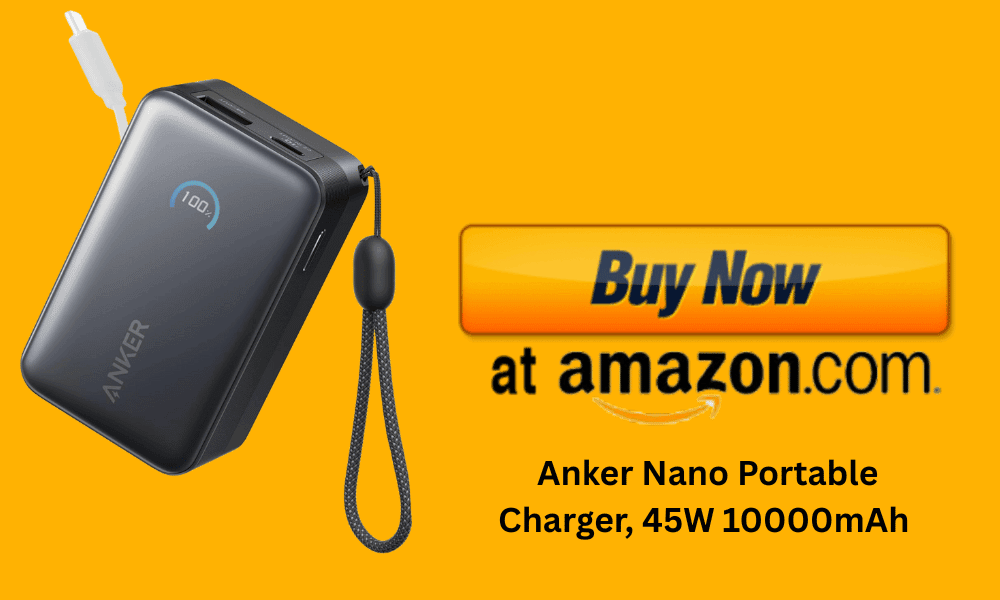
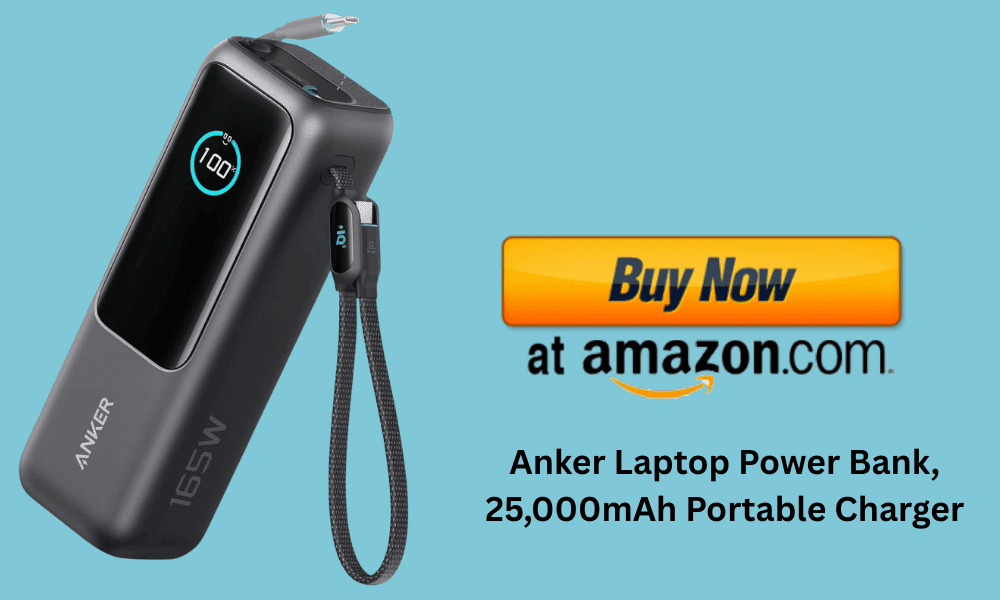
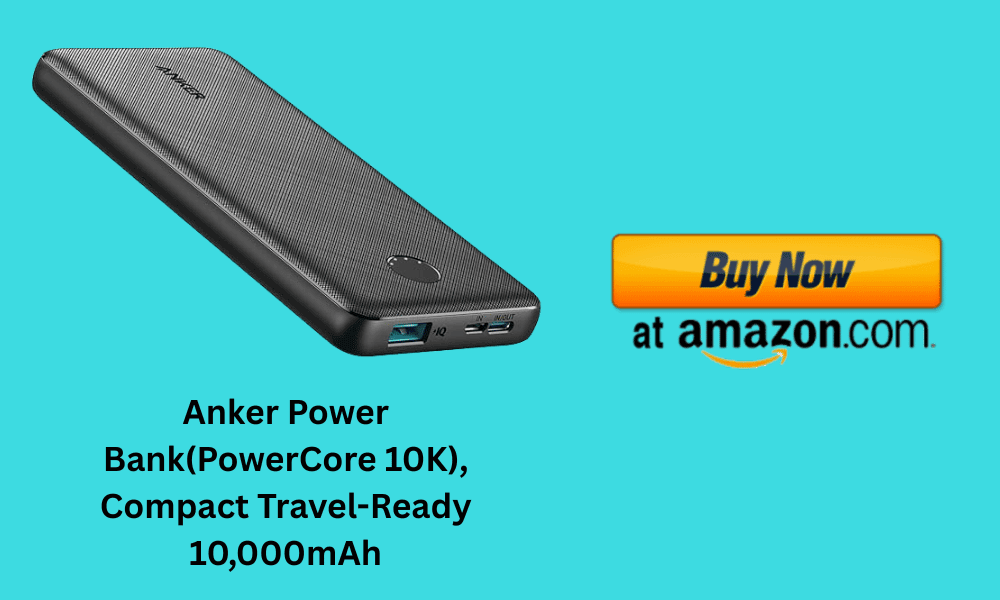
I see this on many packs, even solid ones. Anker, UGREEN, and Baseus all use protection circuits. The basics stay the same.
Solar Setups: Will a Charge Controller Drain the Battery?
If you run solar at a cabin or in a van, this one can bite you. I learned it after a week of cloudy weather. My battery dropped more than I expected.
Yes, a charge controller can drain the battery at night. It powers its own brain. It runs its screen, sensors, and control logic. MPPT units can draw more than you think.
Plan for long “no sun” runs. Add up the controller draw plus your loads. That includes lights, a router, a fridge, and even USB chargers. Then size the battery for the days you might get zero sun.
I keep it simple in real life. I use a manual disconnect when I store the system. A cheap battery switch works. Some people use a relay or a contactor for auto shutoff. It can cut the controller when voltage drops.
If you build this for a US garage setup, follow safe wiring habits. Use the right fuse, wire gauge, and ring terminals. I think of it like DeWalt vs. Milwaukee. Power means nothing without control. I also try to stay close to basic OSHA-style habits. No loose wires. No sketchy splices.
Safety Notes for Power Bank Loses Charge When Not in Use
Storage rules matter more than most people think. I treat it like tool care. I don’t toss my drill in a puddle. I don’t burn my battery in the car.
I avoid charging below freezing when the manual warns about it. Cold can hurt cells. I wait until the pack warms up inside. Midwest winter taught me that lesson.
I keep power banks away from heat and closed hot spaces. I never leave one on a dashboard. Florida humidity plus heat feels like a slow cooker. The Arizona sun hits hard too.
I store packs in a spot with air flow. I check them once in a while. I look for swelling, odd smells, or heat. I don’t “test” a swollen pack. I recycle it. In the US, I use local battery drop-offs when I can.
FAQs: Do Power Banks Drain When Not in Use?
1) Do power banks drain when not in use? Causes & fixes
Yes. All power banks lose charge over time. Battery self-discharge and tiny standby draw cause it. Store it cool and top up every few months.
2) How much battery drain is normal when a power bank is unused?
A small drop over weeks is normal. Heat, age, and extra features can raise drain. If it drops fast in days, check settings or the pack.
3) Why does my power bank lose charge faster in hot weather?
Heat speeds up battery self-discharge and wear. A hot car or sunny window makes it worse. Keep the power bank in a cool, dry spot.
4) Can USB ports or a screen cause standby drain when unused?
Yes. Displays, “always-on” USB, and wireless charging can sip power. Turn off outputs if you can. That helps reduce standby drain.
5) How do I store a power bank to reduce drain when not in use?
Store it around half to three-quarters charged. Keep it out of heat and moisture. Check it every 2–3 months and recharge if needed.



Leave a Reply
You must be logged in to post a comment.