

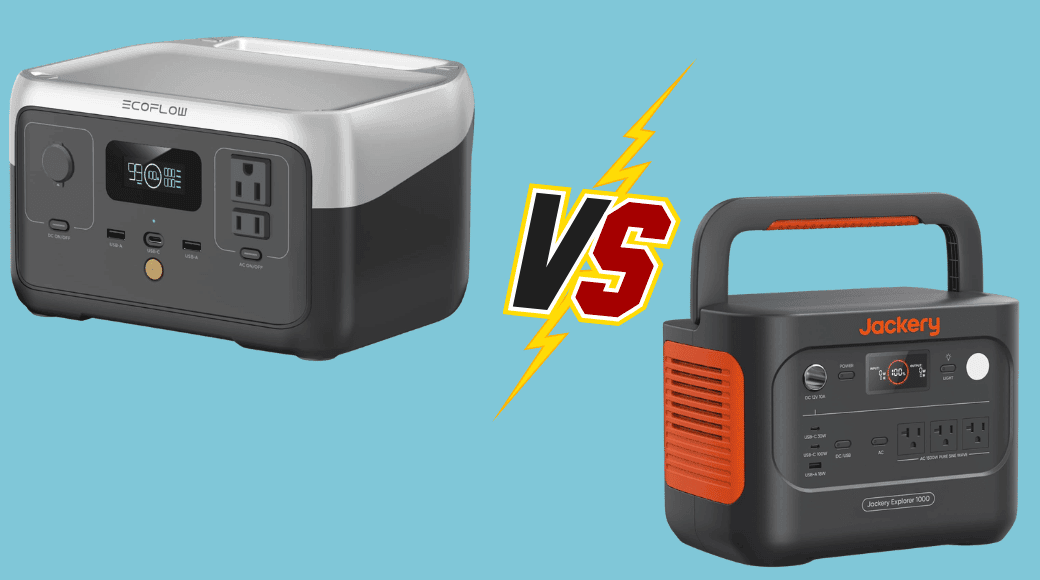
EcoFlow vs Jackery: Which One Is Actually Worth Your Money?
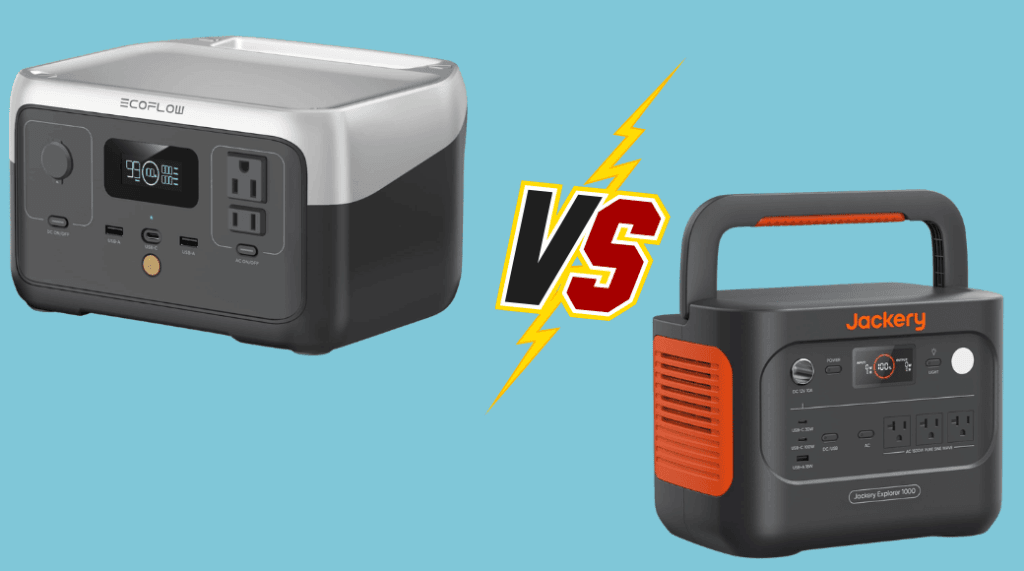
Most people buying a portable power station for the first time end up overpaying. They either spend too much on capacity they never use, or save too little and end up with something that cannot even run a mini fridge through the night. The EcoFlow vs Jackery debate dominates every forum, Reddit thread, and YouTube video on the topic. Yet most of these discussions skip the questions that matter in daily use.
How loud is the fan? Does the battery hold up after two years? Will the company honor the warranty? I have spent months digging into user reviews, long-term testing reports, and real-world performance data from both brands. Neither is perfect. The right choice depends less on specs and more on what you actually plan to do with it. This article cuts through the marketing and gives you a grounded comparison.
Quick Answer: Which Should You Pick?
If you are in a hurry, here is where things land as of early 2026.
Best Overall
EcoFlow Delta 2. Best balance of price, speed, battery life, and features. Wirecutter and Outdoor Gear Lab both rate it top-tier.
Best Budget
EcoFlow River 3. Around $200, with 293Wh, faster AC charging, and more ports than the Jackery 300 at the same price.
Best Premium
EcoFlow Delta Pro 3. 4090Wh, 3600W output, 240V support, and home integration. Beats the Jackery 2000 Plus on raw power.
Simplest to Use
Jackery Explorer 1000 v2. Dead-simple interface, one-hour charge, no app needed. Works straight out of the box.
Product-by-Product Breakdown
I picked five products across budget, mid-range, and premium tiers. Each has been verified by professional reviewers or long-term user reports.
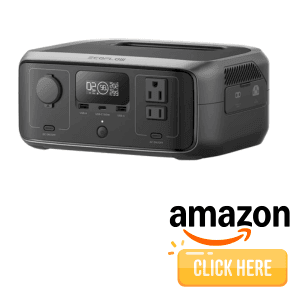
EcoFlow River 3 (Budget Pick)
Priced around $200 with a 293Wh LiFePO4 battery rated for 3,000+ cycles. The 300W output handles phones, laptops, fans, and LED lights.
Pros
- Faster charging: 0-100% via AC in about 1 hour vs. 4.5 hours for the Jackery 300. A huge gap if you need quick top-ups between uses.
- More ports: Dual USB-C (one 100W PD), dual USB-A, AC outlet, and 12V car port. The Jackery only has one USB-C.
- Better solar input: 200W max vs. 110W on the Jackery 300. Noticeably faster recharges outdoors.
Cons
- Fan noise: EcoFlow units run their fans aggressively. Under load, the River 3 is audible in a quiet room.
- App dependency: Advanced settings need the EcoFlow app. Basic functions work without it, but you lose battery details.
- Lower surge rating: Motor startup draws above 600W will trip the protection circuit.
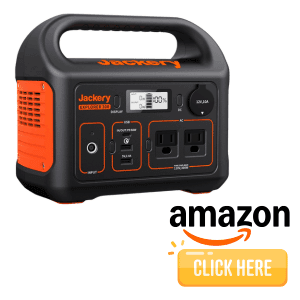
Jackery Explorer 300 (Budget Alternative)
Also around $200 with a 245Wh LiFePO4 battery. Simpler design: fewer ports, fewer features, less that can go wrong.
Pros
- Simpler interface: One power button, clear LEDs, no app needed. Turn it on, plug in, done.
- Better build feel: Rugged design with a folding handle. Feels like it can handle being tossed in a truck.
- Quieter operation: Jackery runs fans less aggressively. Under light loads, you may not hear it at all.
Cons
- Slow charging: 4.5 hours via AC, up to 9.5 hours via solar. A real bottleneck for multi-day trips.
- Fewer ports: Only one USB-C and no car port. You may need adapters for some devices.
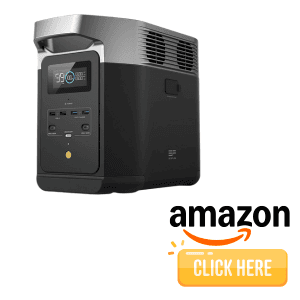
EcoFlow Delta 2 (Best Overall)
The gold standard for mid-range. 1024Wh LiFePO4 (3,000 cycles), 1200W output, 2400W surge. A Reddit user with 500+ cycles reported LFP chemistry saves $1,100+ over NMC competitors across 10 years.
Pros
- Fastest charging in class: 0-80% in 50 minutes, full charge in 80 minutes via AC. Genuinely changes daily usage.
- UPS mode: Switches to battery in under 30ms during outages. Keeps routers and PCs running seamlessly.
- Expandable: Add a battery pack to double capacity. Cheaper than buying a whole new unit.
Cons
- Fan noise under load: The most common complaint. At 800W+, fans are loud. Confirmed by multiple reviews including Green Citizen (2025).
- Heavier: 12kg (27 lbs). Not something you carry long distances.
- App issues: Occasional Bluetooth drops and a learning curve for advanced settings.
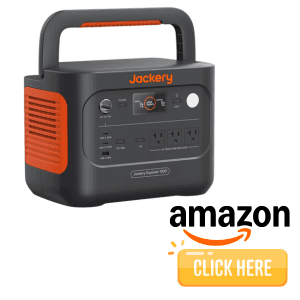
Jackery Explorer 1000 v2 (Simplicity Pick)
1070Wh LiFePO4, 1500W output (3000W surge), charges 0-100% in 62 minutes. Android Police called it “the easiest power station” to use.
Pros
- Ultra-fast charge: Verified 62-minute full charge. Matches or beats EcoFlow, addressing Jackery’s traditional weakness.
- Clean interface: No app needed for anything. Clear display, obvious buttons. Usable under a minute.
- Higher cycle rating: 4,000 cycles vs. EcoFlows 3,000. Potentially an extra year of usable life.
- Cold-weather tested: Confirmed reliable down to 5 degrees Fahrenheit.
Cons
- No UPS mode: No seamless backup for sensitive electronics during grid drops.
- Idle drain: About 17Wh per hour. A full charge lasts 63 hours sitting unused. Worse than EcoFlow.
- No expandability: Need more capacity? Your only option is buying a whole new unit.
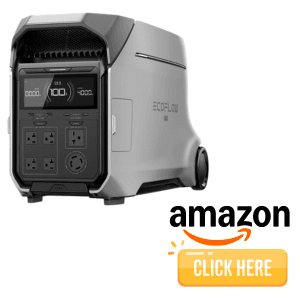
EcoFlow Delta Pro 3 (Premium / Home Backup)
4096Wh, 3600W output (8000W peak), 240V split-phase, WiFi. Designed for whole-home backup. Outdoor Tech Lab confirmed it wins on raw power over the Jackery 2000 Plus.
Pros
- Massive capacity: Runs a full-size fridge for 12-16 hours or power tools for a workday. Competes with gas generators.
- 240V output: Runs well pumps, dryers, and large AC units. Unique in this class.
- Home integration: Smart Home Panel lets you wire it into your breaker box for automatic backup.
- Quieter than expected: Multiple reviewers note the large chassis allows lower fan speeds despite huge output.
Cons
- Very heavy: 51.5kg (113 lbs). Needs two people or a cart to move.
- Expensive: With panels and extra batteries, total cost approaches traditional generator installations.
- Complex setup: Requires understanding electrical loads and possibly hiring an electrician.
- Overkill for most: The Delta 2 covers 90% of use cases at half the price.
How This Comparison Was Put Together
I did not receive any products from either company. My analysis draws on three sources.
First, professional testing. Hands-on tests from Wirecutter, Outdoor Gear Lab, Outdoor Life, TechRadar, T3, PCWorld, Storage Review, and The Solar Lab. These outlets ran controlled discharge tests, measured actual vs. advertised capacity, and tested across temperatures. I cross-referenced findings to spot consistent patterns.
Second, long-term user reports. Reddit communities like r/OffGridTech provided invaluable data. One post covered six months and 500+ cycles on the Delta 2. Another compared the 1000 v2 and Delta 2 side-by-side for weeks. These reveal issues short reviews miss: firmware bugs, app instability, and battery degradation.
Third, my evaluation criteria. I weighted five factors: (1) real vs. advertised performance, (2) battery chemistry and cycle life, (3) charging speed, (4) usability and fan noise, and (5) five-year total cost of ownership. Factors one and two got the most weight, because a station that dies early is worthless.
Performance: What Actually Differs
Specs on a product page tell you little about real use. Here are the differences that matter.
| Feature | EcoFlow Delta 2 | Jackery 1000 v2 |
|---|---|---|
| Battery | 1024Wh LiFePO4 | 1070Wh LiFePO4 |
| Cycle Life | 3,000 cycles | 4,000 cycles |
| AC Output | 1200W / 2400W surge | 1500W / 3000W surge |
| AC Charge | 80 min (0-100%) | 62 min (0-100%) |
| Solar Input | 500W max | 400W max |
| Feature | EcoFlow Delta 2 | Jackery 1000 v2 |
|---|---|---|
| UPS Mode | Yes (30ms) | No |
| Expandable | Yes | No |
| Weight | 12 kg / 27 lbs | 11.5 kg / 25 lbs |
| Idle Drain | ~10Wh/hr | ~17Wh/hr |
Key takeaway: Jackery wins on raw output and charge speed. EcoFlow wins on UPS mode, expandability, and lower idle drain. The cycle life gap (4000 vs 3000) sounds large, but at one cycle per day, 3000 cycles gives eight-plus years. Most users will never hit that limit.
Time, Effort, and Daily Usability
Setup: Jackery takes five minutes out of the box. EcoFlow needs app download, account creation, Bluetooth pairing, and firmware updates, adding 15-20 minutes for full setup.
Learning curve: Jackery wins. Non-technical users never figure it out without instructions. EcoFlow’s app offers more control but adds complexity most users never need.
Maintenance: Both use LiFePO4 with no memory effect. The main task is keeping charge between 20-80% for storage. EcoFlow’s app automates this with storage mode. With Jackery, you manage it manually.
The Honest Downsides Nobody Talks About
Capacity is always less than advertised. A 1000Wh battery delivers roughly 850-900Wh in practice. Inverter losses and protection cutoffs mean you get 80-90% of rated capacity. Always buy 10-20% more than you think you need.
Solar charging is slower than marketed. Those perfect-sunshine photos are best-case. In real conditions with partial shade and suboptimal angles, expect 50-70% of rated solar input.
Batteries degrade even unused. LiFePO4 loses about 2-3% capacity per year from calendar aging alone, regardless of cycles. These are not “buy it for life” devices.
Warranty support is inconsistent. Both brands offer 3-5 year warranties, but Reddit users on both sides report slow response times and difficulty reaching support during peak seasons.
Who Should Buy What
Best For
- EcoFlow Delta 2: Homeowners wanting backup power, remote workers needing UPS protection, campers who value fast charging and expandability.
- Jackery 1000 v2: First-time buyers, campers prioritizing portability and simplicity, anyone who values a no-fuss experience.
- EcoFlow River 3: Budget buyers who need basic power with faster charging than the Jackery 300.
- EcoFlow Delta Pro 3: Homeowners in outage-prone areas, off-grid enthusiasts, anyone running 240V appliances.
Not Ideal For
- Avoid EcoFlow if you are sensitive to fan noise or do not want to deal with apps.
- Avoid Jackery if you need UPS mode, expandability, or the fastest solar charging.
- Avoid both if you need to run heavy tools continuously for days. A gas generator is better for that.
Smart Buying: When Does Spending More Matter?
Budget ($150-$250): The EcoFlow River 3 is better value than the Jackery 300. Faster charging and more ports for nearly the same price. The extra $20-$30 is almost always worth it here.
Mid-range ($500-$800): The EcoFlow Delta 2 and Jackery 1000 v2 serve different needs. If buying for home backup, EcoFlow’s UPS mode justifies the price. If buying for camping, Jackery’s lighter weight and simpler interface win.
Premium ($1,500-$3,500+): EcoFlow’s Delta Pro 3 clearly beats the Jackery 2000 Plus for whole-home backup. The 240V support and ecosystem accessories make it the only option that can replace a gas generator. At this tier, spending more genuinely matters.
The one upgrade that always matters: Moving from NMC to LiFePO4. LiFePO4 lasts 3-5 times longer, handles more cycles, and is chemically safer. Always check the battery chemistry before buying.
My Final Verdict
If I had to pick one unit for most people, it is the EcoFlow Delta 2. It offers the best balance of performance, longevity, and features. The UPS mode makes it the safer pick for home backup, and expandability means you can grow into it rather than replace it.
If simplicity is your priority and you do not need UPS or expandability, the Jackery Explorer 1000 v2 is the right choice. It charges fast, weighs less, makes less noise, and needs zero app setup. For campers and first-time buyers who want something that just works, it is the safer pick.
The unavoidable trade-off: EcoFlow gives you more features at the cost of complexity and fan noise. Jackery gives you simplicity and quiet at the cost of fewer features. Neither is objectively better. The right choice depends on what frustrates you more: a noisy fan during an outage, or realizing you cannot expand when you need more power.



Leave a Reply
You must be logged in to post a comment.