

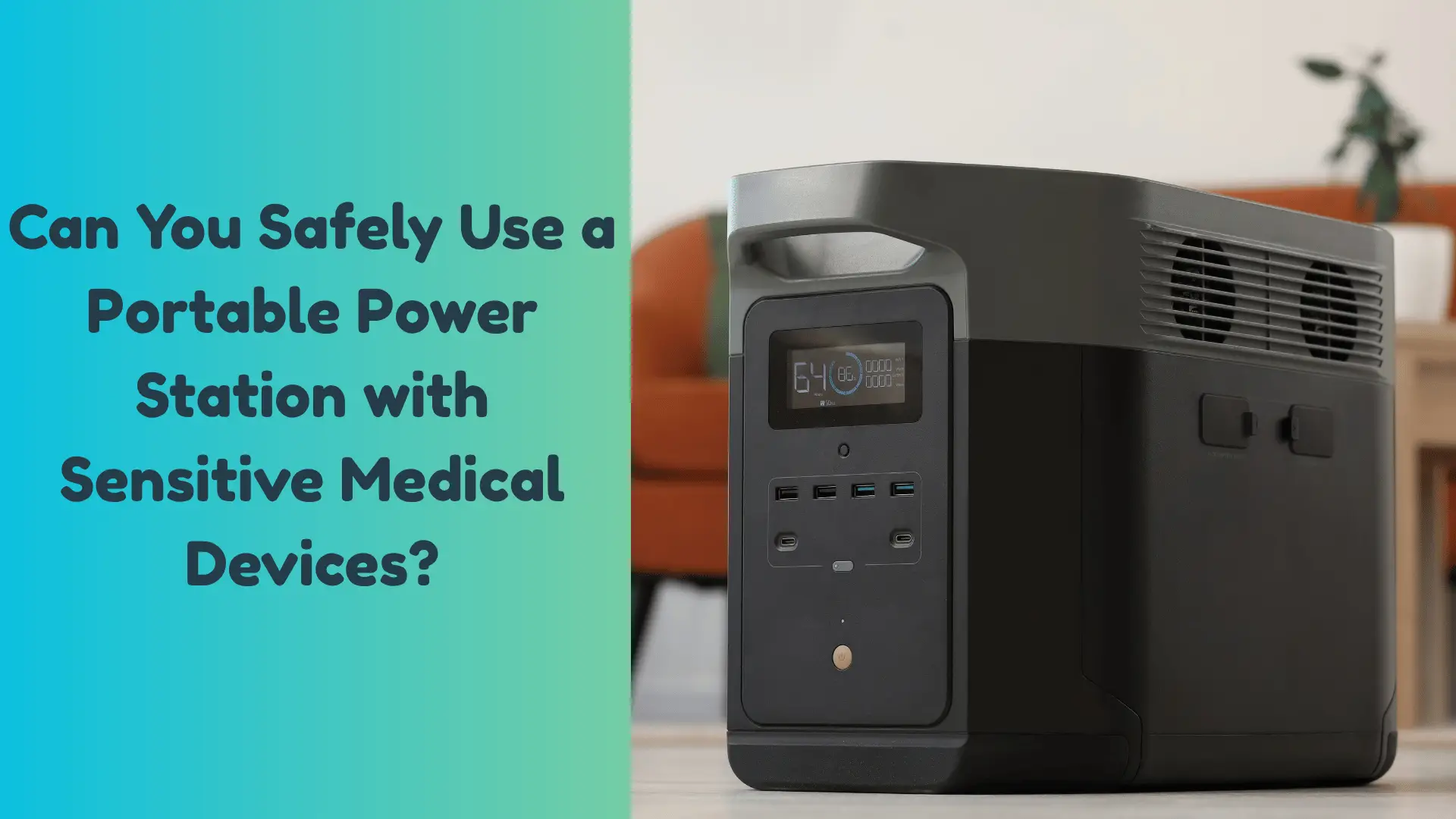
Last summer, my cousin, who uses an oxygen concentrator, had to endure a long, humid night during a sudden power outage. I still remember the panic in his voice when the power cut off. That moment made me realize that portable power stations are more than just camping gear or backup tools. For many households, they’ve become part of their medical safety net.
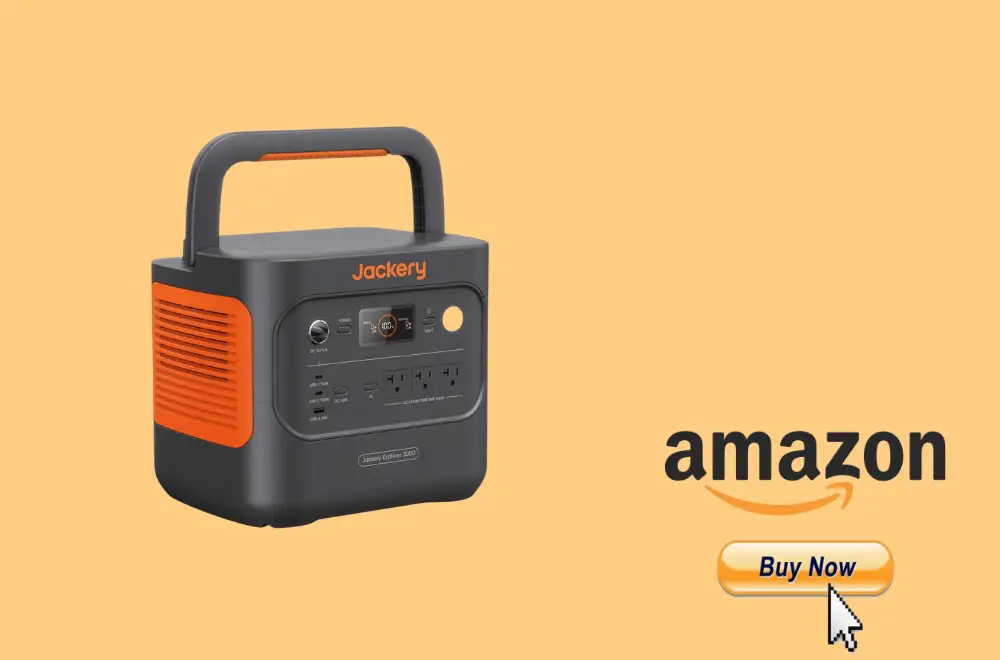
Over the years, I’ve tested different models from brands like EcoFlow, Jackery, Bluetti, and others to understand whether they can safely run sensitive medical devices such as CPAP machines, BiPAP systems, nebulizers, or even an insulin refrigerator. So, can portable power stations actually be trusted for medical use?
Let’s break it down clearly — backed by experience, real data, and practical insights anyone can follow.
Why Backup Power is a Necessity — It’s Critical
If you or a loved one depends on a medical device at home, even a short power outage can:
- Interrupt sleep
- Limit access to oxygen
- Harm medication stored in refrigeration
- Causes stress, anxiety, or health complications
As Reliant Energy points out, even brief interruptions pose serious risks for people using home medical equipment.
Medical devices aren’t like laptops or fans; they’re essential tools that keep people safe — and sometimes alive.
And that’s exactly why more families are turning to battery backup systems and portable power stations to stay prepared.
What Makes a Medical Device “Sensitive”?
A sensitive medical device needs clean, stable, uninterrupted power. Even slight changes in voltage or current can affect performance, cause shutdowns, or, in rare cases, damage internal electronics.
These usually include:
- CPAP machines and BiPAP machines (common for sleep apnea)
- Oxygen concentrators
- Nebulizers
- Portable suction machines
- Insulin refrigerators
- Home heart monitors
Brands like ResMed and Philips Respironics specifically state that their CPAP units require a pure sine wave inverter, not a low-quality or modified sine wave output. This detail becomes crucial when deciding on a power station.
Why are these devices delicate?
Because they rely on precise internal sensors, compressors, and microchips. Any power fluctuations — low voltage, high voltage, or noise — can interrupt operation.
The Portable Power Station Reality Check: Can It Actually Work?
Yes, a portable power station can safely power sensitive medical devices — but only if it meets specific requirements. it depends heavily on the device and the power station.
From personal experience, I’ve seen both ends of the spectrum:
My 1000Wh LiFePO4 power station kept my CPAP running through a 7-hour outage without any hiccups. My friend tried using a cheap, modified sine wave power station with a nebulizer — it made a loud buzzing noise and overheated within minutes.
Online communities echo these concerns. On Reddit, multiple users ask whether running a power station in UPS mode 24/7 is healthy for the battery. Others praise how long their LiFePO4 batteries have lasted, even under heavy use.
The key is choosing the right power station.
Understanding Power Specs: What You Absolutely Need to Know
Before plugging anything in, figure out the power requirements of your device.
Check the device label or manual:
- Wattage (W): how much power the device uses
- Surge power: brief spike when the device starts
- Voltage stability needs: some require extremely clean power
Watt-hours (Wh) — how long will it run?
This is the capacity of your portable power station.
An easy formula:
Runtime (hours) = Power Station Wh ÷ Device Wattage
Real example:
My CPAP uses about 40W on average.
With a 1000Wh power station:
1000 ÷ 40 ≈ 25 hours
(Real-life results are usually 15–20% less because of inverter losses.)
Surge vs Continuous Output
Devices like oxygen concentrators may spike from 100W to 600W when they start. Your power station should support both surge and continuous load.
Why a Pure Sine Wave Inverter Is Non-Negotiable
You’ll see two types of inverters:
- Pure Sine Wave — smooth, stable power identical to wall outlets
- Modified Sine Wave — noisy, uneven electrical output
Sensitive medical devices always require pure sine wave.
A pure sine wave inverter protects medical equipment by:
- Maintaining voltage stability
- Reducing heat buildup
- Preventing buzzing, glitches, or unexpected shutdowns
- Preserving device lifespan
Most modern brands, such as EcoFlow, Bluetti, and Jackery, offer pure sine wave output, but always double-check.
What Makes a Safety-Ready Power Station?
To safely run medical devices, your power station should include:
Must-have features
- Pure sine wave inverter
- High continuous output wattage
- High surge capacity
- LiFePO4 battery (longer life, safer chemistry)
- Battery Management System (BMS)
- Overload protection
- Short-circuit protection
- Temperature control
- Clear wattage display
Ideal extra features
- UPS (Uninterruptible Power Supply)
- Pass-through charging
- Multiple AC ports
- Solar charging capability
A good UPS mode ensures your device stays powered even during a switching delay.
Real-Life Scenarios: How Portable Power Stations Actually Perform
1. Home Power Outages
When my cousin’s oxygen concentrator failed during the outage, a 1500Wh power station kept it running until the grid returned — and that single experience convinced my entire family to buy backup units.
2. Traveling or Hotel Stays
During a camping trip in Colorado, I used a Bluetti power station to run my CPAP overnight. I got around 14 hours of runtime — enough for peace of mind. Even at a hotel, I’ve used it to avoid old or unreliable outlets.
3. Off-Grid Power
Portable power stations work well for RVs, trailers, cabins, and emergency shelters. Solar panels extend runtime easily.
4. Long-Term Preparedness
Many families combine:
- A portable power station
- A gas generator
- Solar input
This layered approach ensures you always have backup power.
Risks, Limitations & When Not to Use a Portable Power Station
While power stations are great, they’re not perfect.
Common pitfalls
- Choosing a unit with too little capacity (most common!)
- Using modified sine wave inverters
- Assuming runtime is the same as the box estimate
- Ignoring heat and ventilation
- Letting the battery sit unused for months
When a power station may NOT be enough
- Hospital-grade ventilators
- Dialysis machines
- High-wattage concentrators (older models)
- Multi-day outages without solar or generator backup
Warranty considerations
Some durable medical equipment (DME) providers note that improper power sources can void warranties. Always confirm with your equipment provider.
My Practical Tips for Real-World Safety
Here are the tips I follow and recommend:
1. Test your setup before an emergency
Run a simulated blackout for 1–2 hours.
2. Keep the power station 100% charged during storm season
Especially if you live in an area with frequent outages.
3. Rotate and maintain the battery
Use it at least once a month.
4. Create a layered power backup
Battery + solar + generator (if needed).
5. Talk to your medical equipment provider
Ask if your device has specific power requirements.
6. Have a simple “power-fail” plan
Everyone in the home should know what to do when the lights go out.
Frequently Asked Questions (Optimized for Voice Search)
Can I run a CPAP on a portable power station overnight?
Yes — as long as the power station has enough capacity (Wh) and a pure sine wave inverter.
Do medical devices need pure sine wave power?
Absolutely. Modified sine wave units can cause malfunction or damage.
How big of a power station do I need for an oxygen concentrator?
Most need 400–1200W. Check your model’s label to calculate runtime.
Is it safe to leave a power station plugged in 24/7 like a UPS?
Only if the manufacturer supports UPS mode. LiFePO4 models handle it better.
Can power stations damage medical electronics?
Cheap ones can. High-quality units with voltage stability and BMS protection are safe.
How long will a 2000Wh power station run a CPAP?
Usually 25–40 hours, depending on settings and humidifier usage.
Is a generator better for long-term outages?
Yes. But for overnight safety, portable power stations are quieter and more reliable.
Conclusion
Yes, you can safely use a portable power station with sensitive medical devices — as long as you choose the right power station and understand your device’s requirements.
A dependable backup power source offers more than convenience. It offers safety, comfort, and peace of mind. Whether you’re preparing for a hurricane season, caring for a family member, or simply ensuring uninterrupted medical support, a reliable power station can make a life-changing difference.
For me, the lesson was personal — watching a loved one struggle during a blackout pushed me to learn everything I could about emergency preparedness




Leave a Reply
You must be logged in to post a comment.